

Indonesia in 2025: Amnesty Warns of State Repression, Inequality, and Ecological Disaster

National Strategic Projects continued to displace Indigenous communities, particularly in eastern Indonesia. Large-scale agricultural, mining, and infrastructure projects in Papua and Halmahera were accused of destroying forests, seizing customary land, and excluding affected communities from decision-making.
Ecological Disaster in Sumatra
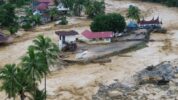
The year ended with a massive ecological catastrophe in Sumatra, where floods and landslides—linked to extensive deforestation—killed more than 1,000 people, injured thousands, destroyed nearly 147,000 homes, and displaced almost half a million residents.
Environmental groups reported that 1.4 million hectares of forest in Aceh, North Sumatra, and West Sumatra have been lost since 2016 due to corporate activity. Amnesty argued the disaster was not natural but the result of pro-deforestation economic policies and ignored early warnings.
“The state failed to act swiftly, refused international humanitarian aid, restricted media coverage, and even downplayed the crisis,” Usman said, calling the response slow, arrogant, and lacking empathy. Reports also emerged of security forces intimidating journalists and assaulting civilians delivering aid.
Amnesty warned that similar disasters could recur in 2026 if Indonesia continues prioritizing extractive economic growth enforced through authoritarian practices.
“Human rights violations, ecological destruction, and social injustice are deeply connected,” Usman concluded. “If deforestation-based economic policies persist, Indonesia risks repeating this human rights catastrophe on an even larger scale.”.(Uki)

























Tinggalkan Balasan