



Concerns Grow Over Indonesia’s Plan to Regulate Foreign Propaganda and Disinformation
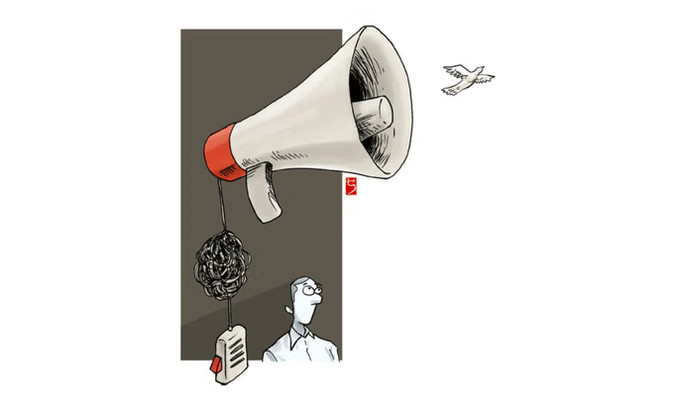
JAKARTA, RAKYAT NEWS – Amnesty International Indonesia has urged the government to stop drafting the proposed Bill on Countering Disinformation and Foreign Propaganda, warning that the initiative poses a serious threat to freedom of expression. The call follows the release of an academic paper by the Ministry of Law outlining the government’s plan to introduce the bill into the national legislative agenda.
Responding to the plan, Amnesty International Indonesia Executive Director Usman Hamid said the government’s justification for the bill was highly questionable. He noted that authorities claim the regulation is needed to counter foreign information attacks and propaganda that could harm national interests, but argued that its urgency has not been convincingly demonstrated.
According to Hamid, instead of protecting freedom of expression, the bill risks adding to a growing list of problematic laws frequently used to silence dissent. He warned that the proposed legislation could violate Indonesia’s Constitution, particularly Article 28E of the 1945 Constitution, as well as Article 19 of the International Covenant on Civil and Political Rights, both of which guarantee freedom of expression.
A major concern, Amnesty said, lies in the vague and subjective definition of what would constitute “foreign propaganda.” Granting the state the authority to determine which information is legitimate and which is deemed foreign propaganda would effectively position the government as the sole arbiter of truth, creating significant potential for abuse.
Hamid also pointed out that even without such a law, government officials, including the President, have repeatedly spread unsubstantiated claims by accusing critical civil society groups of being funded by foreign actors. These allegations, often made without clear evidence or identification of the alleged foreign parties, were described as a form of state-backed disinformation.
Amnesty warned that a law of this nature would be highly vulnerable to misuse, particularly as a tool to censor criticism that is inconvenient for those in power. Labeling dissenting opinions as threats to sovereignty or dangerous incitement could further shrink Indonesia’s civic and democratic space.
The organization also questioned the political consistency behind the bill, noting a contradiction between frequent narratives about foreign threats and the government’s aggressive efforts to attract foreign investment. Hamid cited the President’s recent invitation to British universities to open campuses in Indonesia as an example of this inconsistency.
Such contradictions, Amnesty argued, raise suspicions that the bill is less about national security and more about legitimizing the government’s increasingly hostile stance toward public criticism. Constantly framing criticism as foreign interference without clear proof, the group said, only contributes to disinformation rather than combating it.
Amnesty International Indonesia concluded that the proposed bill lacks sufficient urgency and poses a real risk of becoming a new instrument to silence human rights defenders and critical citizens. To safeguard freedom of expression, the organization called on the government to immediately halt the drafting of the Bill on Countering Disinformation and Foreign Propaganda.(Uki)




























Tinggalkan Balasan Batalkan balasan