



Indonesia’s UNHRC Presidency Faces Scrutiny Over Worsening Human Rights Record, Says Amnesty
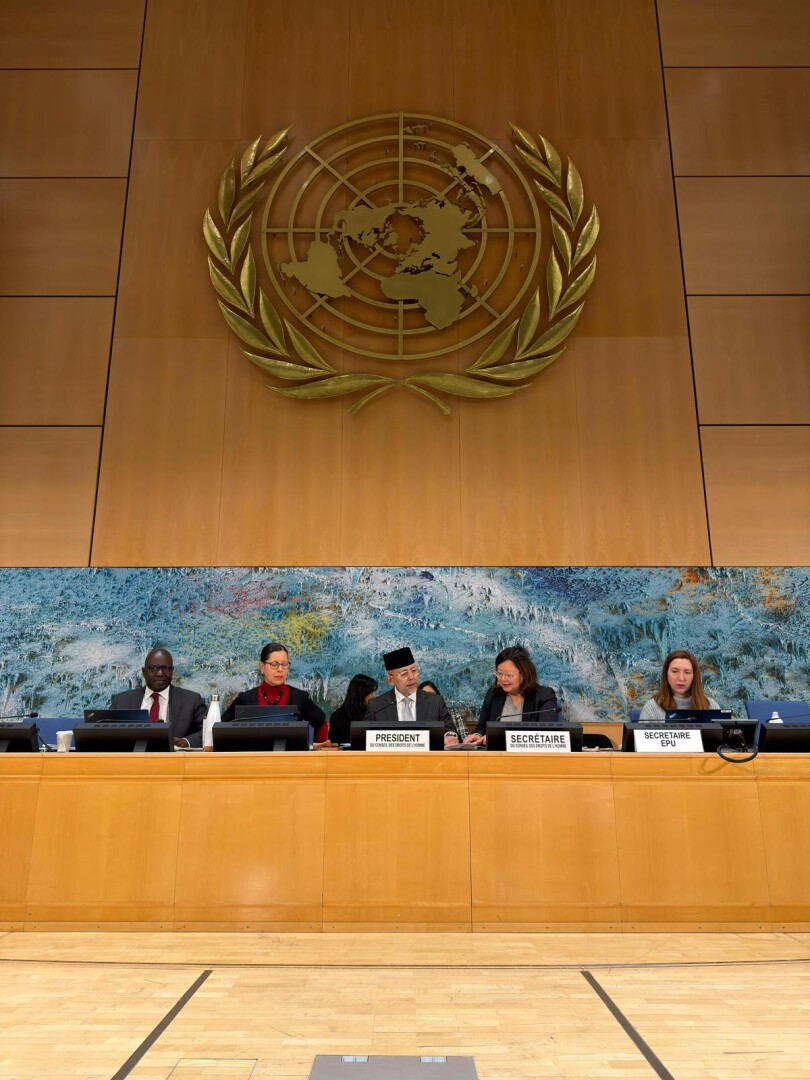
JAKARTA, RAKYAT NEWS- Amnesty International Indonesia has cautioned against what it called “illusory pride” following Indonesia’s election as President of the United Nations Human Rights Council (UNHRC), warning that the prestigious position does not reflect genuine human rights progress at home or abroad.
Responding to the appointment, Amnesty International Indonesia Executive Director Usman Hamid said claims that Indonesia had “won” the presidency through merit or the work of the Ministry of Human Rights were misleading. He emphasized that the presidency rotates by region and that 2026 was the Asia-Pacific region’s turn, with Indonesia running as the sole candidate.
“It is inaccurate to say this position was seized or earned because of human rights achievements,” Hamid said, adding that the role should not be portrayed as evidence of domestic or international human rights success. According to him, such narratives obscure deeper structural problems in Indonesia’s human rights record.
Amnesty International highlighted a deteriorating domestic situation, noting that more than 5,000 people were arrested in 2025 in connection with protests, while at least 283 human rights defenders experienced attacks or intimidation. Hamid also criticized the Ministry of Human Rights for, in his view, justifying abuses, citing recent praise by the minister for the drafters of a revised Criminal Procedure Code that Amnesty believes threatens fundamental rights.
Indonesia’s international human rights standing was also questioned. Amnesty pointed out that Jakarta has frequently rejected recommendations from the UNHRC, including during the 2022 Universal Periodic Review (UPR), when Indonesia declined 59 out of 269 recommendations aimed at improving its human rights situation.
This record, Amnesty argued, creates a stark irony as Indonesia now prepares to preside over the same UPR mechanism that evaluates the human rights performance of UN member states—while Indonesia itself will again be under review. The organization also criticized Indonesia’s past UPR reports for failing to reflect realities on the ground, particularly in Papua, where reports have focused on development while omitting ongoing violence against civilians.
Amnesty further accused Indonesia of promoting permissive approaches such as dialogue and consensus toward countries accused of serious violations. As an example, it cited Indonesia’s 2022 rejection of a motion to debate a UN report concluding that abuses in Xinjiang, China, could amount to crimes against humanity—a rejection that contributed to the motion’s narrow defeat.
The organization also noted Indonesia’s reluctance to grant access to UN special rapporteurs. Between 2023 and 2024, Indonesia reportedly denied visit requests from UN experts on judicial independence, modern slavery, and truth, justice, and reparations, raising concerns about transparency and accountability.
According to Amnesty, Indonesia’s presidency of the UNHRC should be a test of its seriousness in upholding human rights, including whether it supports firm action on alleged abuses, accepts international recommendations, and facilitates visits by independent UN experts. Domestically, Amnesty urged Indonesia to begin by allowing visits from rapporteurs on human rights defenders, freedom of expression, business and human rights, and enforced disappearances.
Indonesia’s ambassador to the UN in Geneva, Sidharto Reza Suryodipuro, was elected UNHRC president on January 8, 2026, becoming the first Indonesian to lead the body since its establishment 20 years ago. While Sidharto described Indonesia as a long-standing supporter of the Council grounded in constitutional and UN Charter principles, Amnesty warned that without concrete policy changes, the presidency would remain “meaningless” and little more than symbolic pride.(Uki)




























Tinggalkan Balasan Batalkan balasan