

Indonesia’s UNHRC Presidency Faces Scrutiny Over Worsening Human Rights Record, Says Amnesty
This record, Amnesty argued, creates a stark irony as Indonesia now prepares to preside over the same UPR mechanism that evaluates the human rights performance of UN member states—while Indonesia itself will again be under review. The organization also criticized Indonesia’s past UPR reports for failing to reflect realities on the ground, particularly in Papua, where reports have focused on development while omitting ongoing violence against civilians.
Amnesty further accused Indonesia of promoting permissive approaches such as dialogue and consensus toward countries accused of serious violations. As an example, it cited Indonesia’s 2022 rejection of a motion to debate a UN report concluding that abuses in Xinjiang, China, could amount to crimes against humanity—a rejection that contributed to the motion’s narrow defeat.
The organization also noted Indonesia’s reluctance to grant access to UN special rapporteurs. Between 2023 and 2024, Indonesia reportedly denied visit requests from UN experts on judicial independence, modern slavery, and truth, justice, and reparations, raising concerns about transparency and accountability.
According to Amnesty, Indonesia’s presidency of the UNHRC should be a test of its seriousness in upholding human rights, including whether it supports firm action on alleged abuses, accepts international recommendations, and facilitates visits by independent UN experts. Domestically, Amnesty urged Indonesia to begin by allowing visits from rapporteurs on human rights defenders, freedom of expression, business and human rights, and enforced disappearances.
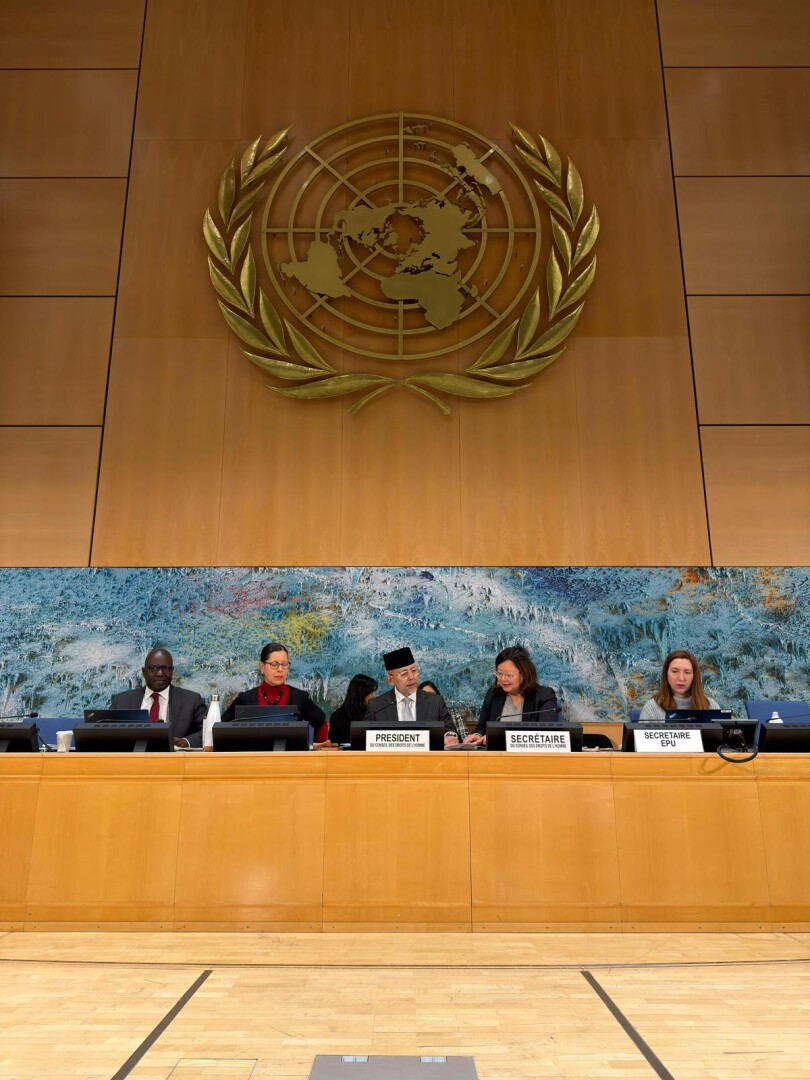
Indonesia’s ambassador to the UN in Geneva, Sidharto Reza Suryodipuro, was elected UNHRC president on January 8, 2026, becoming the first Indonesian to lead the body since its establishment 20 years ago. While Sidharto described Indonesia as a long-standing supporter of the Council grounded in constitutional and UN Charter principles, Amnesty warned that without concrete policy changes, the presidency would remain “meaningless” and little more than symbolic pride.(Uki)
























Tinggalkan Balasan